PhD Year 1: Joy and Rejection
Created:
Foreword
Time flies, especially when you’re enjoying it. It’s already been two years since I decided to join Princeton. Now that I’m in the second half of my second year, I want to look back on how I’ve been “philosophizing” this Doctor of Philosophy journey.
My first year was full of pure joy and harsh rejections. Those two words feel diametrically incompatible at first glance, but my experience doesn’t make sense without both.
What I wanted from year one
I started my PhD with two goals: (1) publish a paper in my first year, and (2) fully experience American college life.
I set the first goal because I wanted to get my research going and integrate into the group as soon as possible. But it was much, much harder than I expected, which I’ll get into later. The second goal felt uniquely possible at Princeton, even as a PhD student.
In most European countries, doctoral students have formal contracts with the university. That means you’re technically an employee, and you’re treated like one. Most things feel transactional. Universities typically don’t actively organize social events or build community, so many PhD students mostly interact within their research groups.
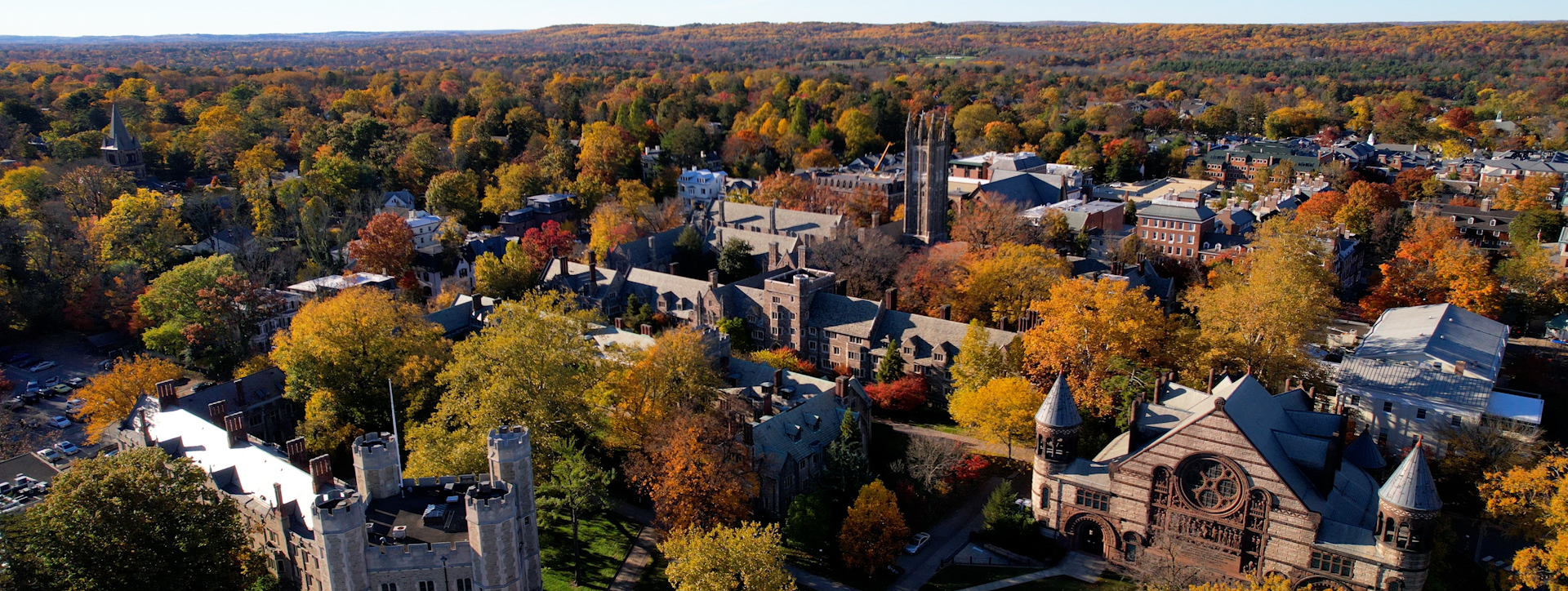
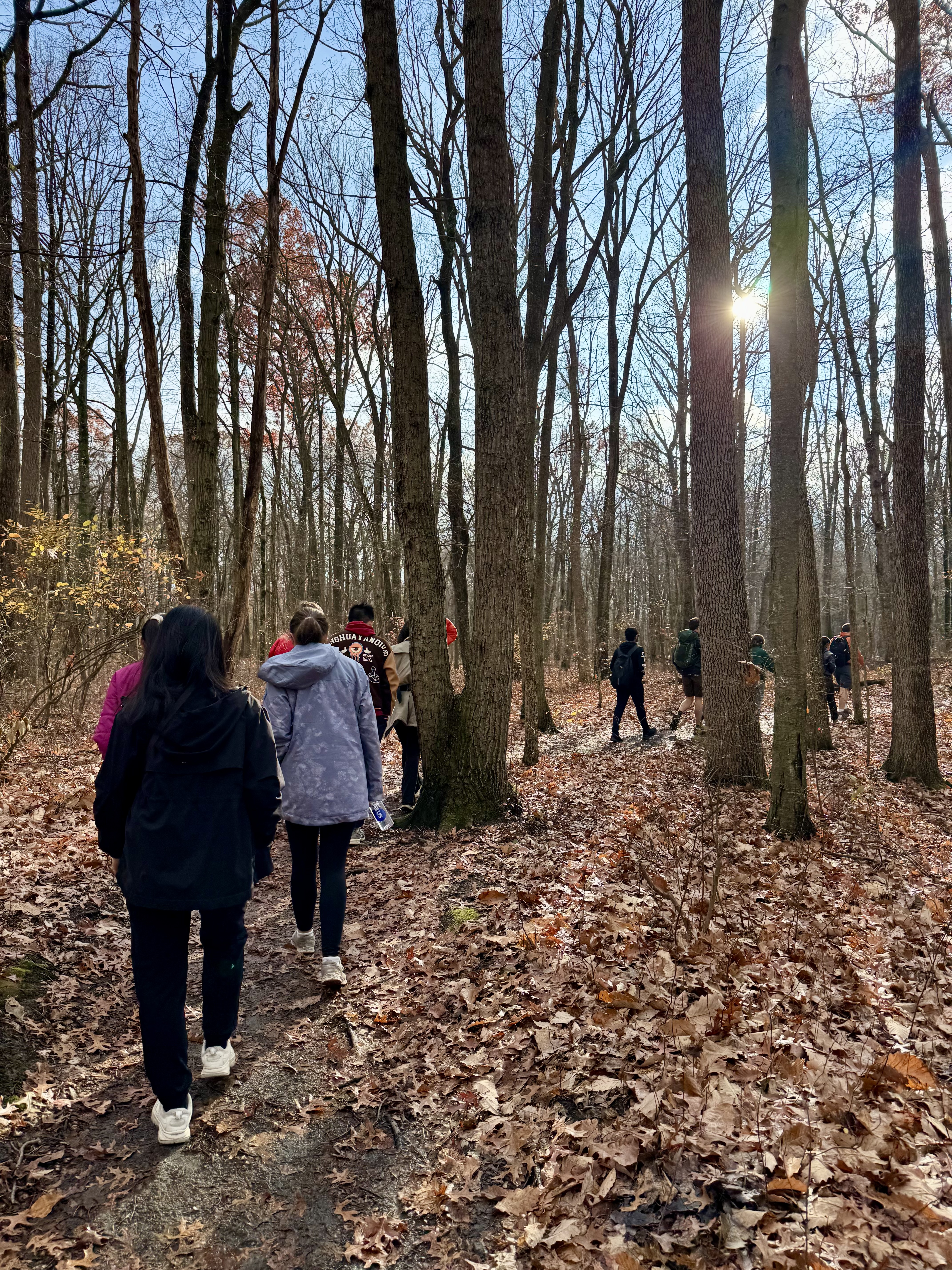
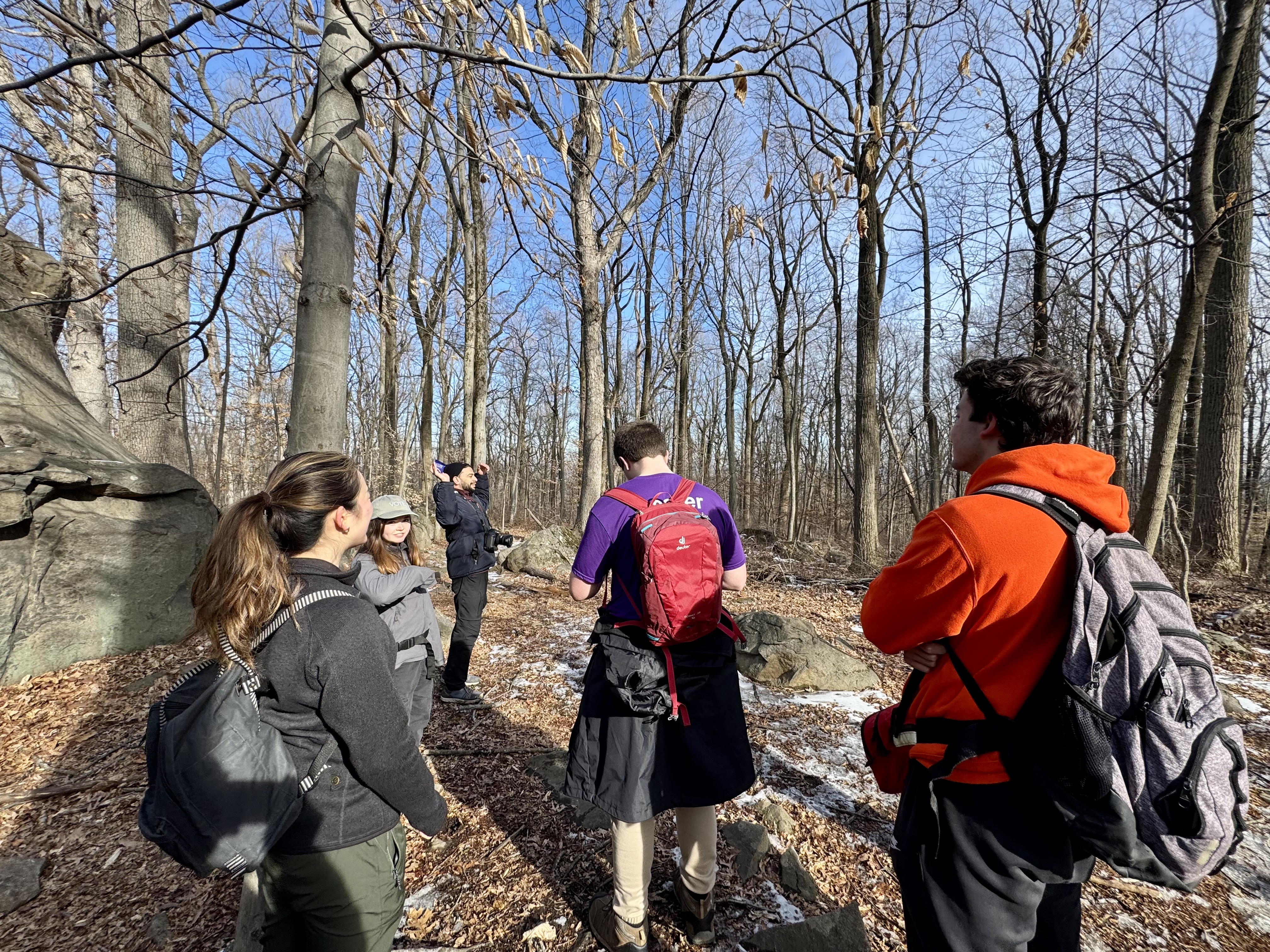
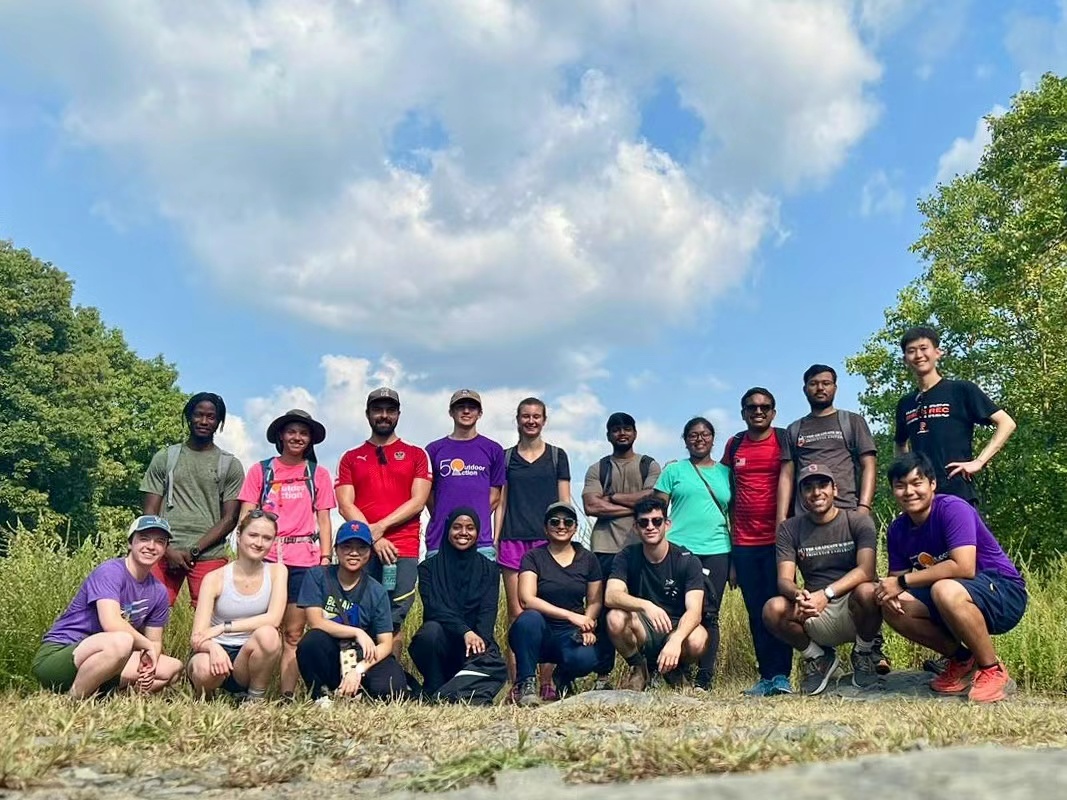
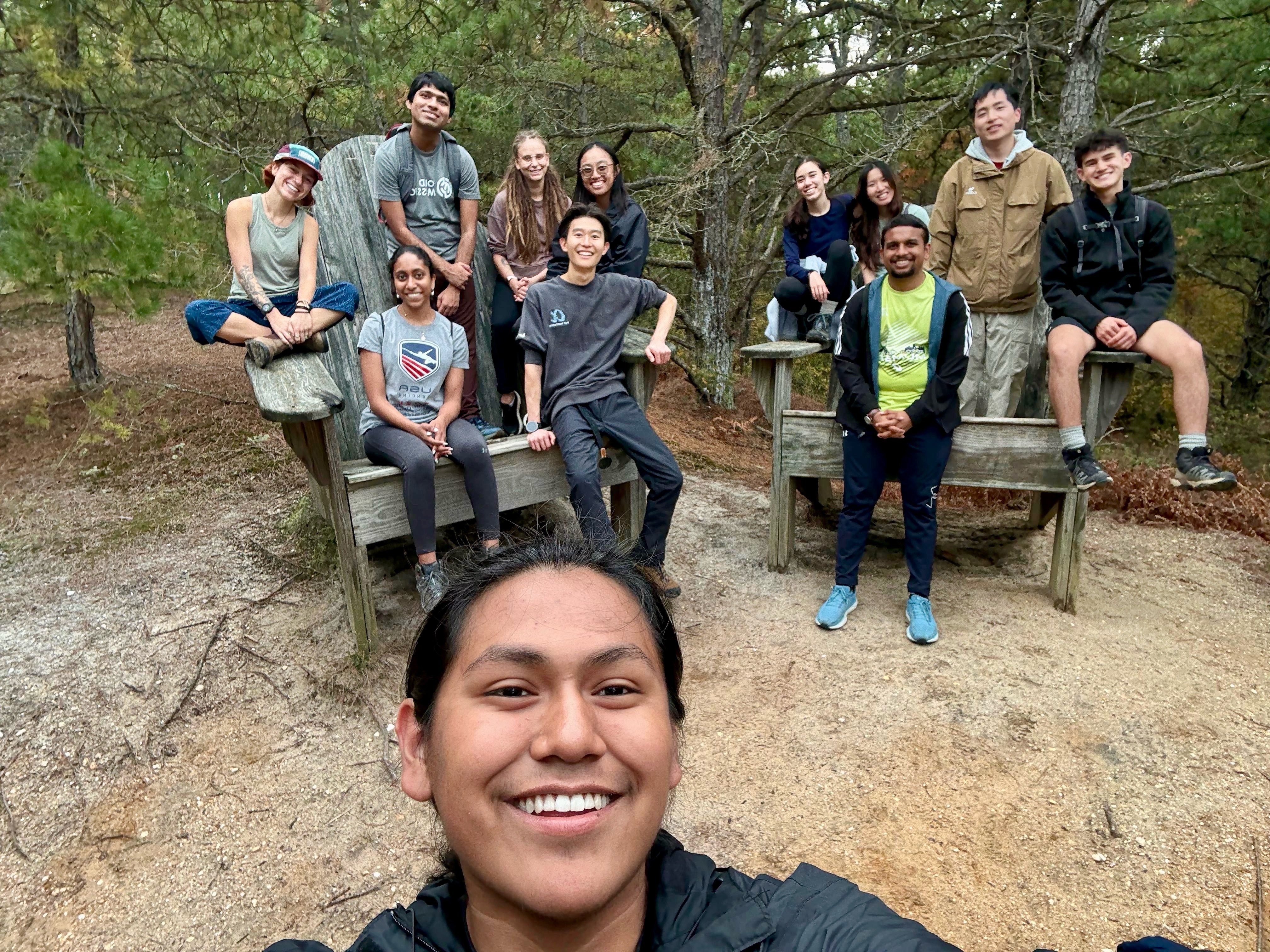
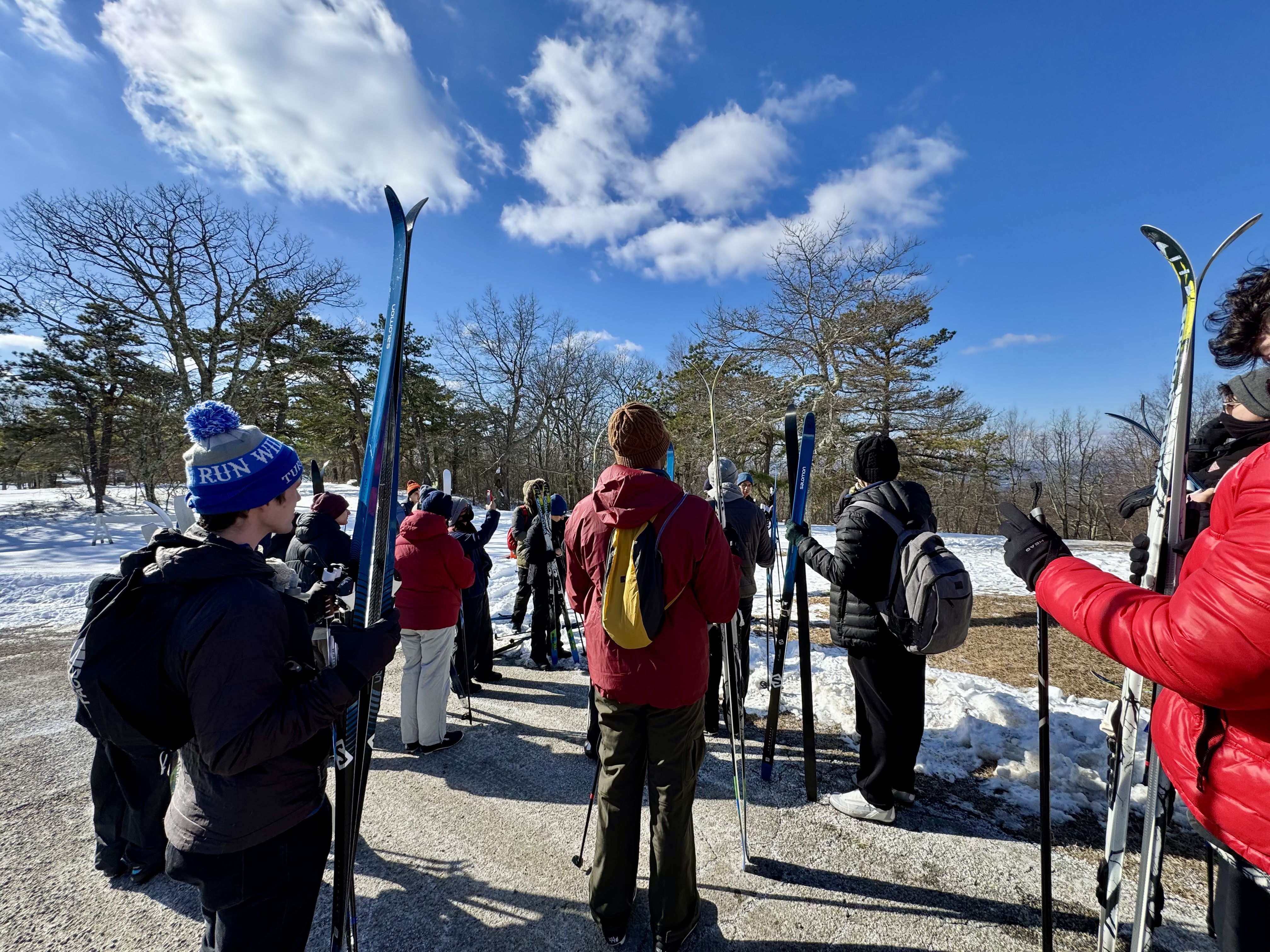
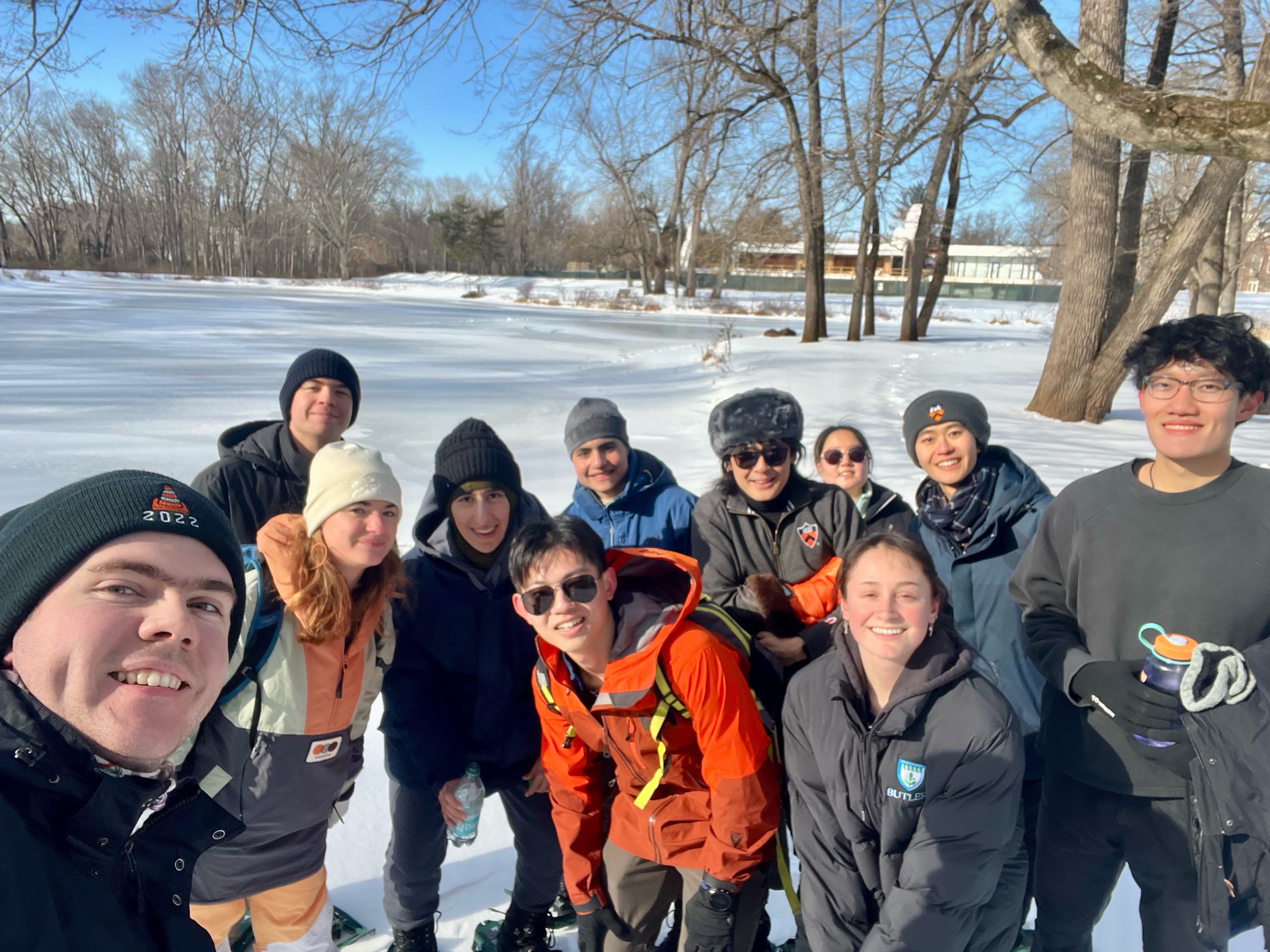
Princeton feels very different. It builds a strong community around grad students. The graduate school is small, around 3,000 students in total (even smaller than Stanford’s med school). We’re all part of the Grad College, which organizes a steady stream of social and academic events. Most campus events and clubs are also open to both undergrads and grads. For example, I’ve been hiking and skiing with the outdoor club, which is founded by the university but primarily organized by undergrads.
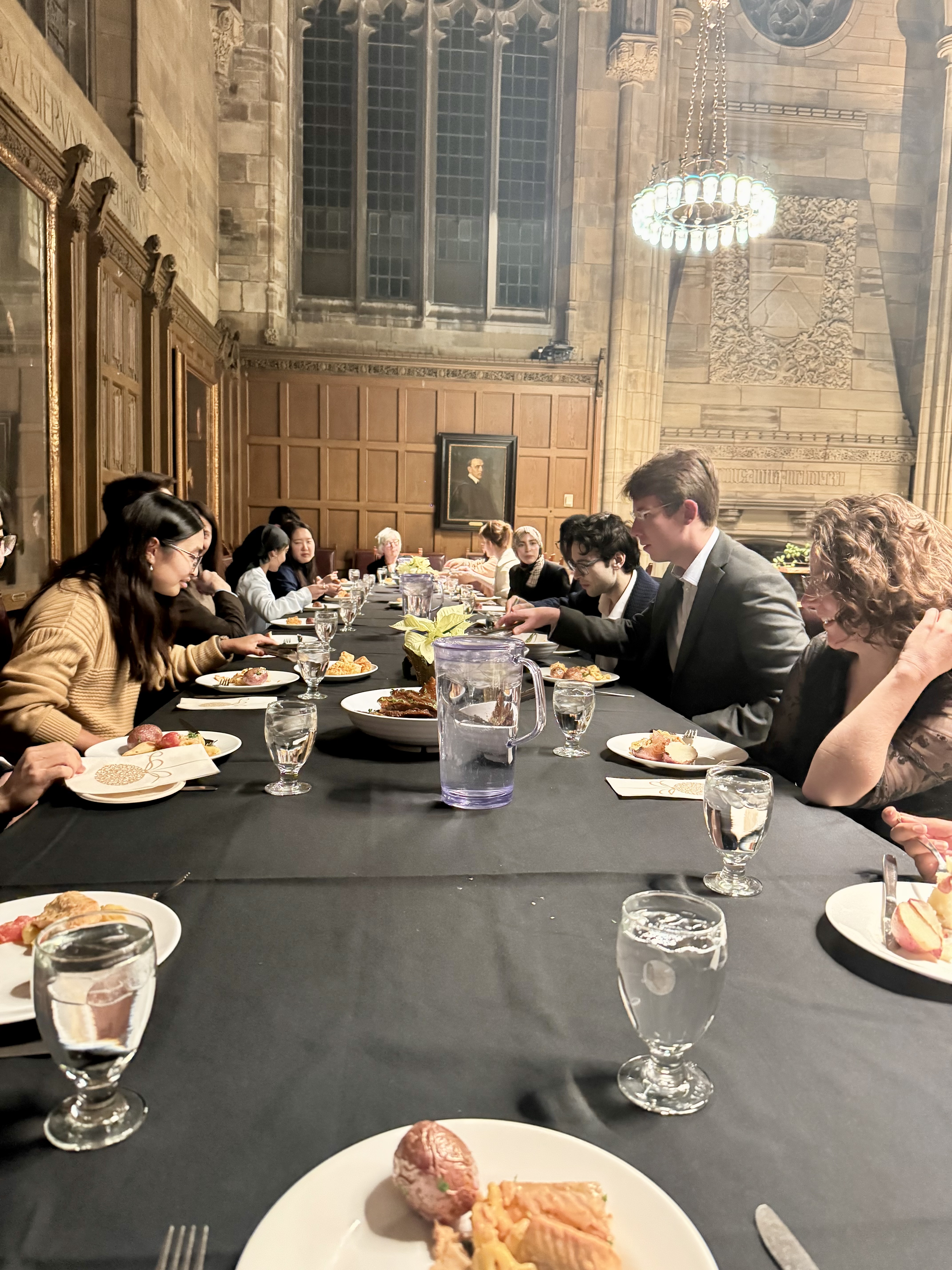
Most importantly, virtually everything is free for students. Princeton is very rich, and it treats its students very well. Events like this would be hard to imagine at most European universities (including top-ranked ones).
Year one in numbers
- Number of paper submissions: 8 (4 as first author)
- Number of paper rejections: 6
- Number of grant proposals I helped with: 2
- Number of undergrads mentored: 4
- Number of books read: 9
- Number of courses taken: 6 (required)
- Number of high tables attended: 5
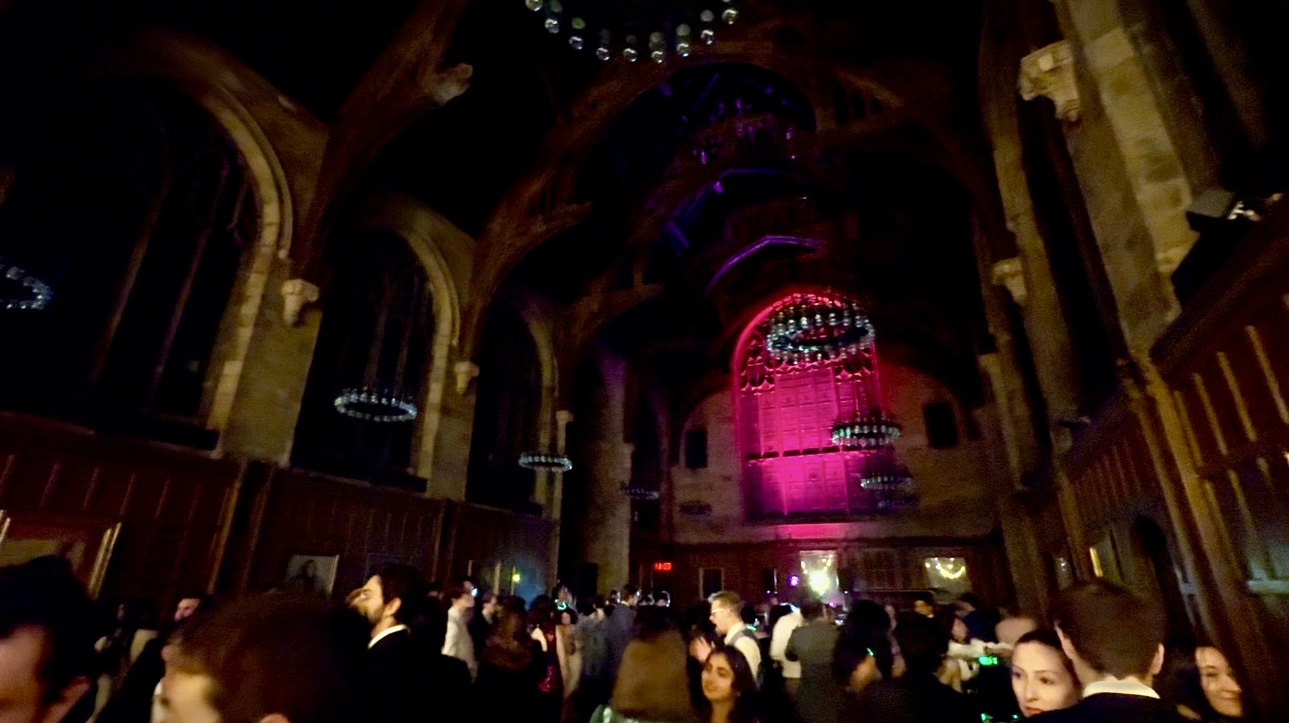
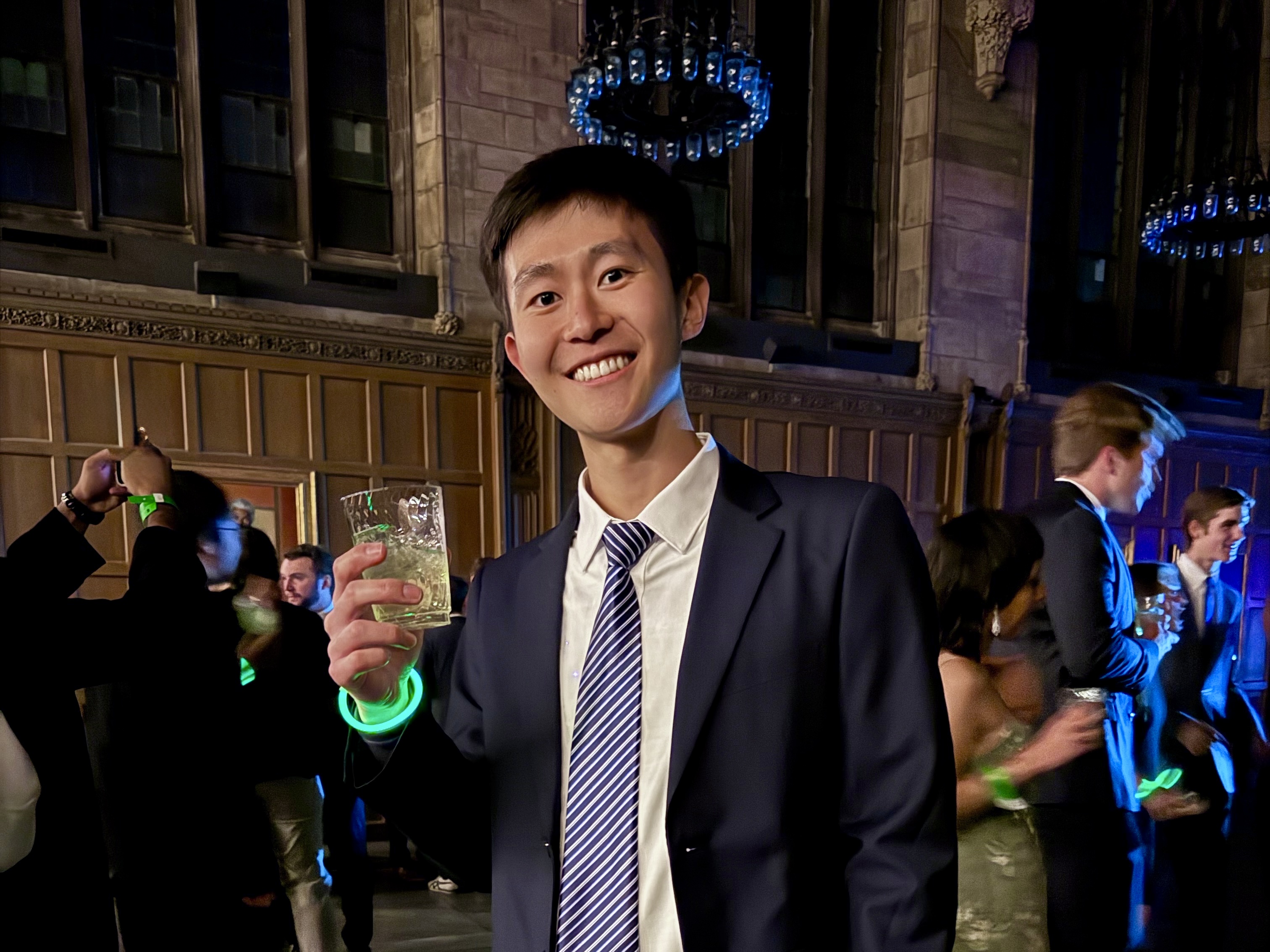
- Number of grad formals: 1
- Number of hikes: 17
- Number of skiing/skating trips: 2
- Number of concerts on campus: 2
- Number of free meals on campus: +∞
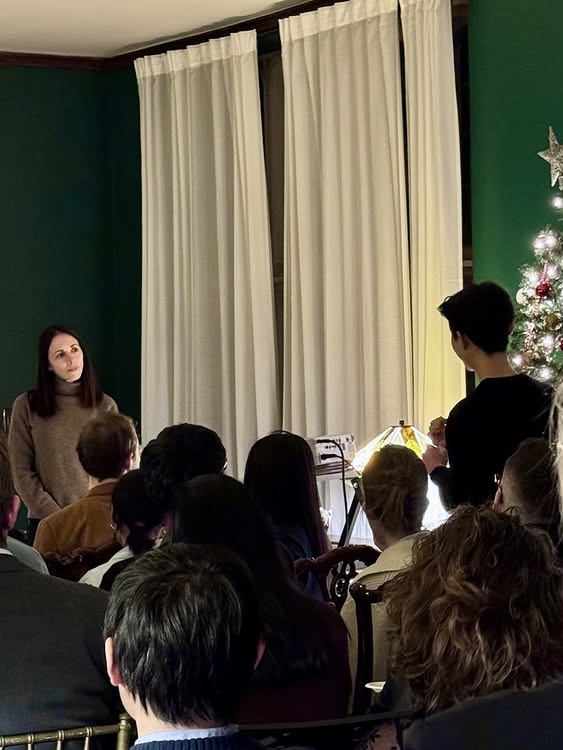


Right: A Broadway show outing organized by the Princeton grad school.
A typical day
- 8:00 AM — Play tennis with Minhao at the Princeton Racquet Center
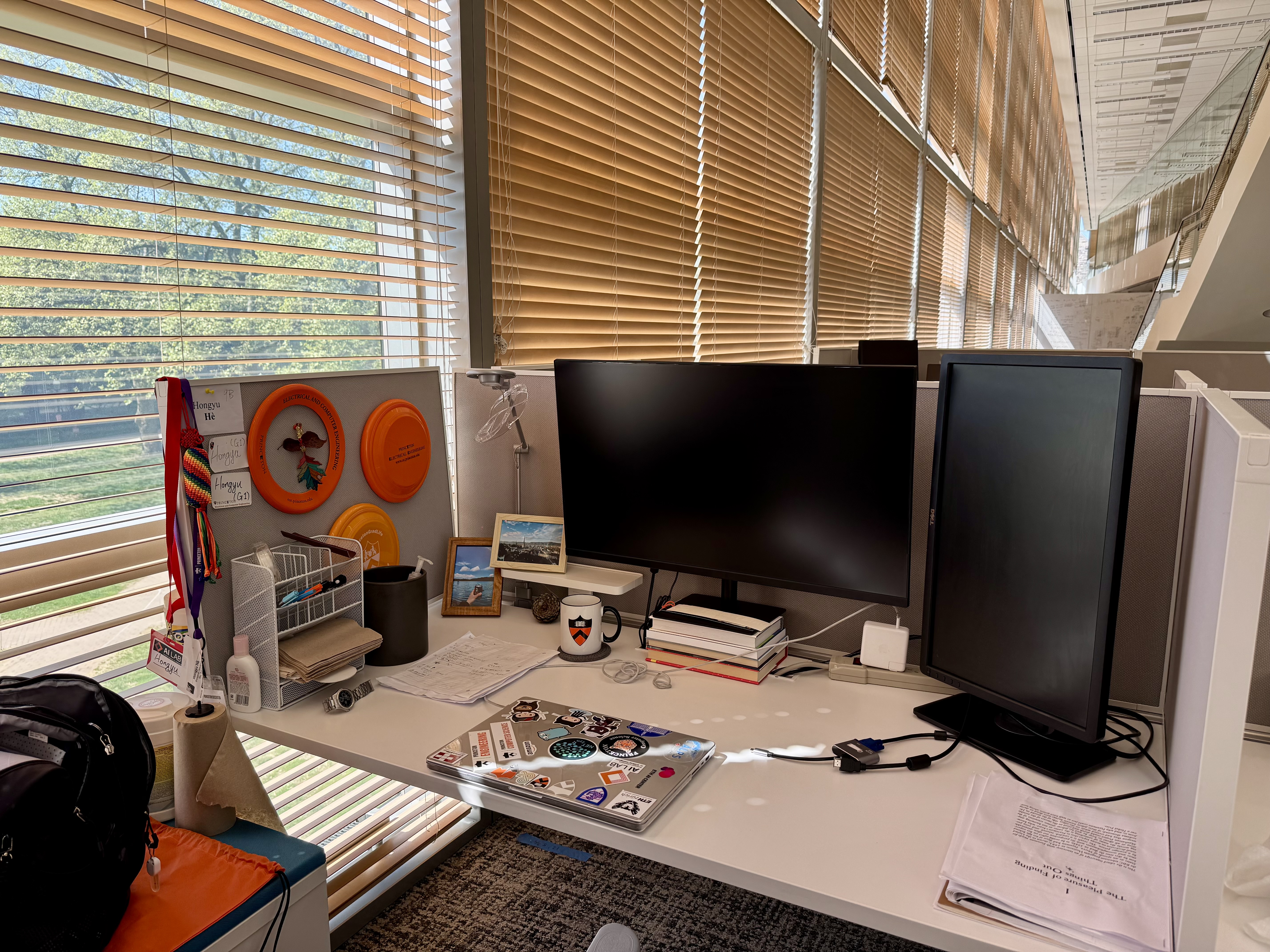
- 10:00 AM — Take the TigerTransit shuttle to my office
- Morning — Work
- 12:00 PM — Attend various seminars or talks on campus
- 1:00 PM — Get free food :)
- Afternoon — Work
- 5:00 PM — Take the shuttle back to my apartment on the Meadows campus
- 6:00 PM — Hit the Meadows gym or play squash
- 8:00 PM — Cook dinner or get free food again :)
- Evening — Work


Rejections
Publishing a paper in my first year turned out to be much harder than I expected, especially because I was working in a research area that was still relatively new to me. I used to think computer networking was basically similar “systems,” just with different domain applications. Oh boy, I was wrong. The way people in this field approach problems and assign value is different (e.g., empirical performance optimization vs. formal guarantees), and it took me quite a while to adapt.
To this day, I feel extremely fortunate to be my advisor’s student. She is one of the smartest and hardest-working people I’ve ever met. More importantly, she’s a kind mentor. She stays patient when I get stuck, and she’s willing to learn together with me, especially because what I’m working on spans several fairly different subjects.
Early on, I was also a difficult student to work with. I tend to have strong opinions about research direction and experimental methodology. At the time, I didn’t fully understand the difference between the community I came from and the computer networking community. I didn’t know how to present my ideas as a research paper, instead of a technical report packed with engineering details.
I still remember my first submission. Right before the deadline, my advisor had to rewrite most of what I had written, because my writing was so off track. She walked me through the process and even stayed up with me until 4am. I sincerely appreciate her patience and how she kept pushing me to think differently. I also remember vividly the moment I got my first rejection. Two seconds later, I received a message from my her: “I’m sorry about the paper.” In that moment, something clicked. She wasn’t my boss, she was my mentor.
“Your ideas are like your children, and you don’t want them to go into the world in rags.” — Patrick Winston
Rejection is always hard, because our ideas are our children. But over time I realized the sting wasn’t just “they said no.” It was being forced to look at my own work with fewer illusions: What is the core claim, really? What is the clean story? What would a skeptical reviewer misunderstand, and why would that be my fault? Each rejection pushed me to tighten the logic, trim the noise, and crystallize the contribution in writing. In that sense, the reviews were less a verdict and more a mirror.
So when the paper was finally accepted, I felt genuinely happy, but not surprised. By then, the work had been stress-tested enough that acceptance felt like the outcome finally caught up with the version of the paper we had fought to make real.
I also learned not to over-interpret any single decision. There’s randomness in the review process, and with LLMs entering the workflow, that noise can feel even louder. A rejection doesn’t automatically mean the work is bad. It might mean the fit was off, the framing didn’t land, or the message got lost. The only part you can control is the slope: keep learning, keep revising, and keep making the work clearer and stronger.
Still enjoying my solitude
My life has become much more colorful since I joined Princeton. I’ve made a lot of new friends and picked up new hobbies. But something has stayed the same. Unlike what many people worry about (loneliness), I’m terrified of someone getting into my life too much.
I’m always alone but never lonely, as I enjoy solitude more than anything. I love jogging alone around Lake Carnegie and along the Delaware Canal towpath (with many 🦊s and 🦌s). I love walking from my apartment to my office in the morning, and walking back alone at night. I also love standing alone in front of Lake Carnegie and letting the sunshine touch my face.
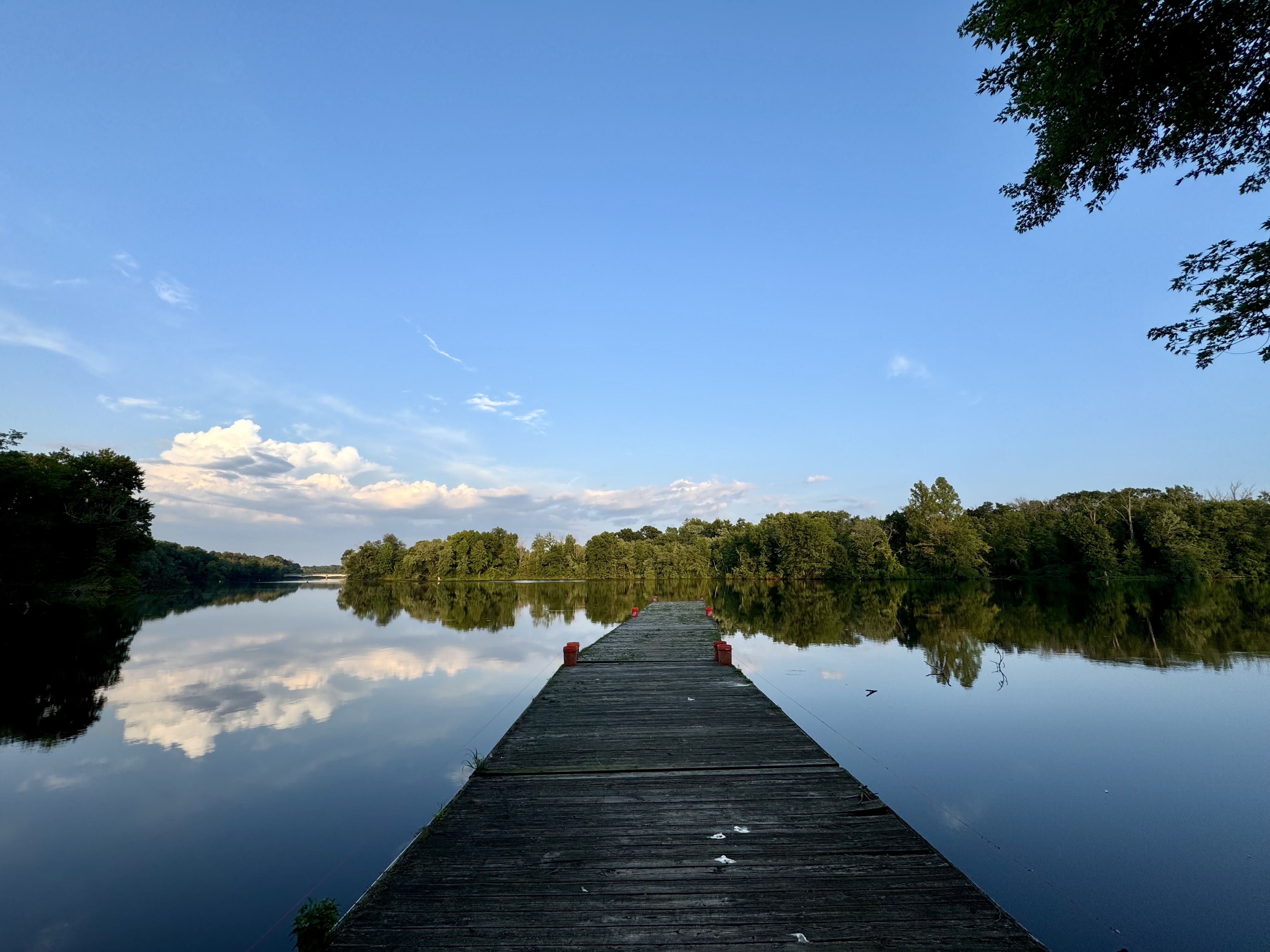

Being alone gives me time and space to think and relax. It’s hard for many people around me to understand (my mom included), but to me, time alone is emblematic of unbridled freedom and control over my own life. In the end, life is ultimately a journey you take alone, whether you like it or not. If you haven’t found joy in solitude, I hope you find your own version of it, even in small doses.
PS: I also realized I’ve reached an age where the way I treat friends (especially female friends) can lead to misunderstandings. So I’ve decided to keep a necessary distance, to carve out space.
Finding meaning in a PhD (and in life)
To me, doing a PhD at a place like Princeton is an absolute privilege. It gives me time and space to think, and to reflect on myself: what I really want, what I’m good at, and what I’m not. For me, a PhD is not about innovation, “moving the needle,” or advancing humanity. It’s about understanding, understanding science, and maybe most importantly, understanding the science of life.
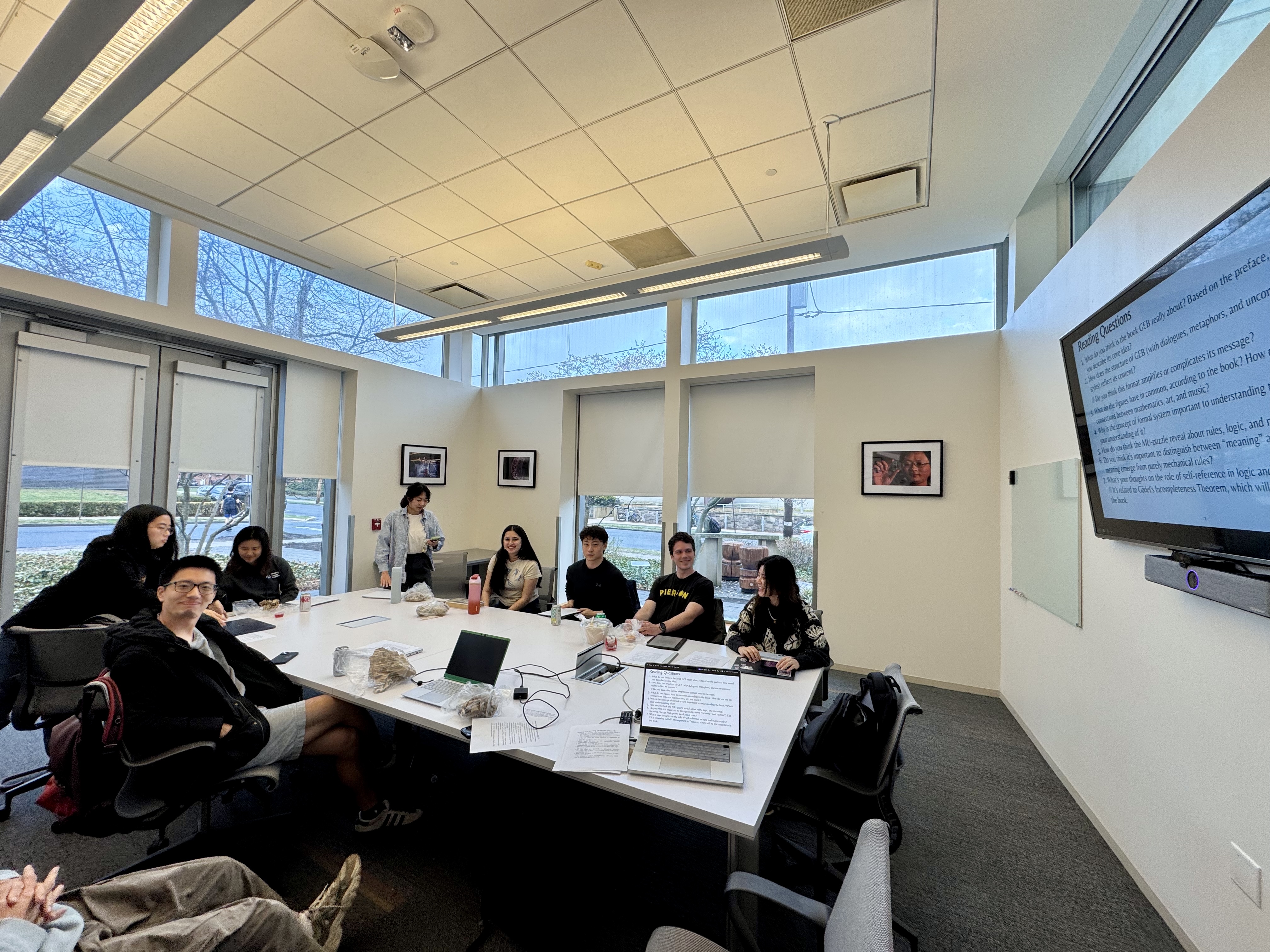
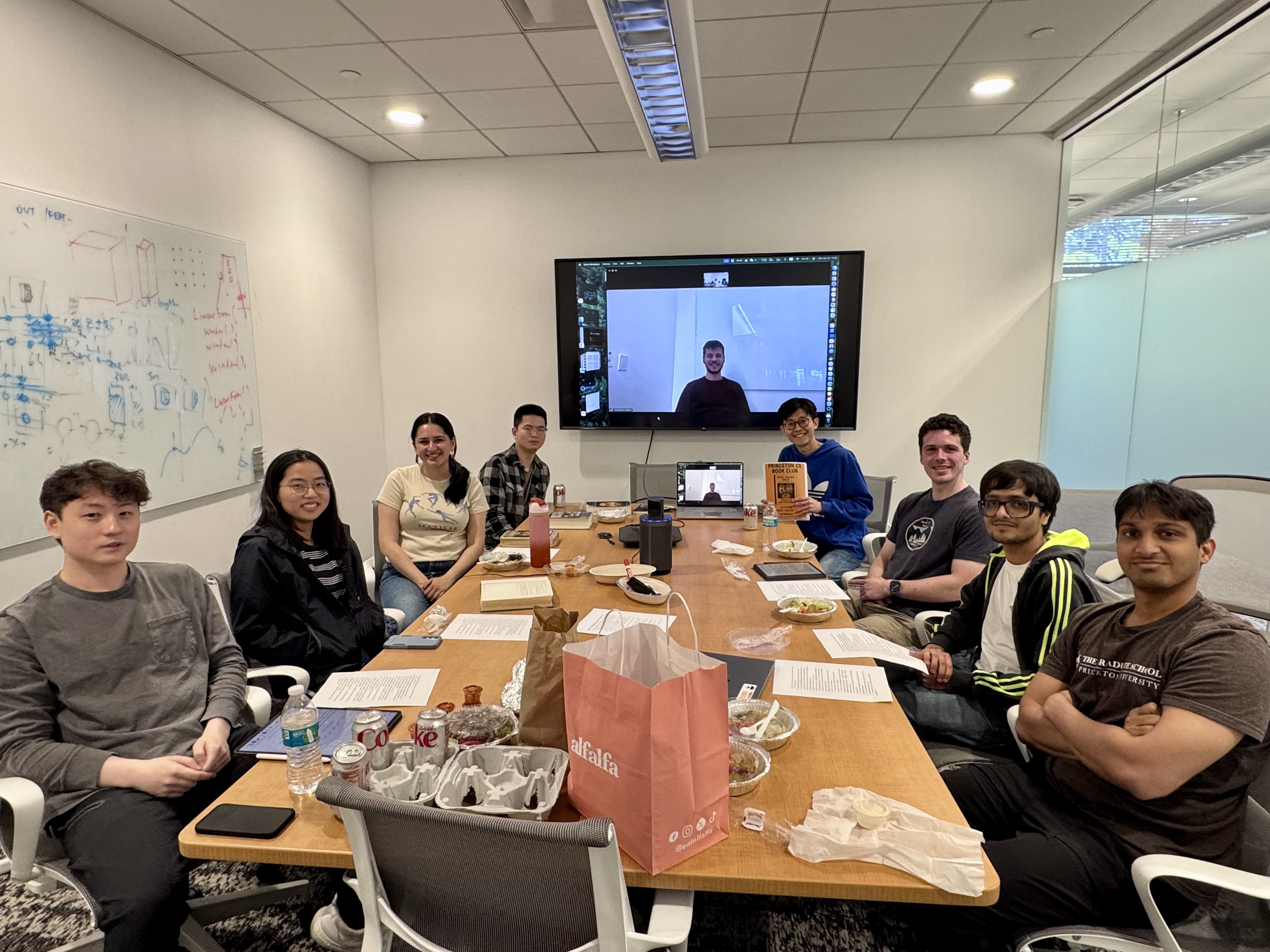
Since coming to Princeton, I’ve started reading physical books again. Thanks to a good friend (Patty 🙏), I discovered Gödel, Escher, Bach: an Eternal Golden Braid, and I got hooked. This book is about formal logic and its connections to math, art, and thinking. What caught my attention is that mathematical and logical symbols possess no inherent meaning. But once we give them meaning, they can express all of mathematics and beyond.
This got me thinking: why would life be any different? As humans, we have moved past the primal search for our next meal or the mere drive to find mates to reproduce. I believe life does not have an inherent, predetermined meaning unless we actively assign meaning to the world around us.
Life itself is difficult, it’s hard, it’s challenging. This treacherous journey comes with obstacles and all kinds of internal and external struggles that we have to endure. If we don’t give it meaning, then what is the point of being here and going through it all?
Conclusion and afterthoughts
My first year was full of pure joy and rejection. I loved it, and I enjoyed it wholeheartedly. I came to understand my research and myself much better. I’m grateful to Princeton for giving me a safe and enjoyable space to think with a peaceful mind. I’m grateful to my advisor and my friends for creating a supportive and intellectually stimulating environment.
As AI has been upending the world as we know it, an ivory tower like Princeton has shielded us from much of the chaos. It gives us space and time to look inward, rather than constantly worrying about where the world might be heading. We will all have to face that chaos eventually, but for now, I cherish this space.
When I am old and can no longer be as active, I hope to have a rich memory book full of beautiful moments to flip through, rather than just a seemingly dense CV. Life is not a race to a finish line, nor is it merely about grinding through the daily motions. I’ve come to realize it is neither about the process nor the destination; it is about understanding who we are, and who we will eventually become along the way.
Leave a comment